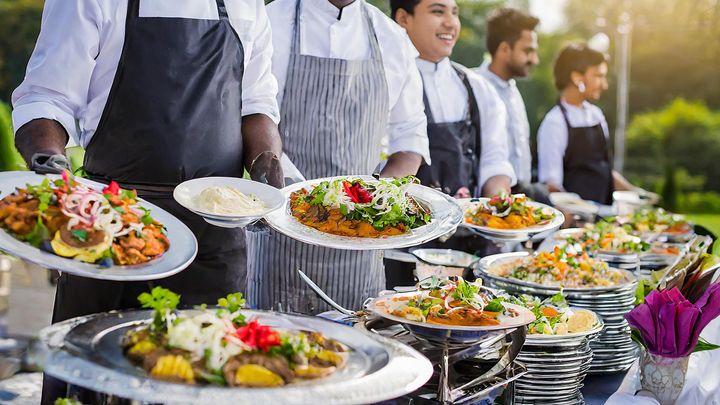
The Ultimate Guide to Catering Services for Weddings and Events
Catering services for weddings and events involve professionals who plan, prepare, deliver, and present food and beverages at gatherings like weddings, corporate functions, birthdays, or other celebrations. This service exists because hosts often need reliable, skilled teams to manage complex menus, presentation, timing, venue coordination, dietary requirements, and guest experience—freeing them to focus on hosting rather than cooking.
Wedding and event catering refers to planning, preparing, presenting, and managing food and beverages for occasions such as weddings, receptions, conferences, celebrations, and private gatherings.
Food is often one of the most visible parts of an event. A well-planned menu needs to match the event format, guest preferences, venue facilities, timing, and food-safety requirements.
Planning generally begins with the guest count and event schedule. Organizers then consider menu categories, dietary requirements, serving arrangements, kitchen access, equipment, staffing, storage, and cleanup procedures.
Common formats include plated meals, buffets, food stations, boxed meals, traditional regional menus, and mixed dining arrangements.
Importance
Wedding catering planning matters because food arrangements can influence guest comfort, event timing, and overall organization.
Large gatherings may involve hundreds of guests with different dietary preferences. Vegetarian, vegan, allergen-sensitive, religious, and culturally specific food requirements may need separate preparation and clear identification.
Event organizers also need to consider food temperatures and safe handling. Poor temperature control or cross-contamination can create food-safety risks.
For corporate events, conferences, and formal gatherings, meal timing can also affect schedules. A clear catering checklist can help coordinate arrival times, food preparation, serving periods, waste handling, and venue activities.
Useful planning factors include:
- Expected guest number and age groups
- Menu type and dietary requirements
- Event duration and meal timing
- Kitchen, storage, and preparation facilities
- Food allergy communication
- Waste reduction and packaging practices
Recent Updates
Food businesses in India experienced an important regulatory change in 2026. FSSAI introduced amendments to its licensing and registration framework, including perpetual validity for licenses and registrations, risk-based inspections, and revised turnover thresholds. The new thresholds began applying to relevant new applications from April 1, 2026.
The revised framework places greater emphasis on ongoing compliance rather than treating registration as a one-time administrative task.
Food safety guidance has also continued to emphasize documented food safety management systems, Good Hygiene Practices, and hazard control. FSSAI's catering hygiene framework specifically addresses food handling and sanitation requirements for catering establishments.
Another development during 2026 was an updated FSSAI framework concerning the vegan food logo, reflecting continued attention to food labeling and consumer information.
Laws or Policies
In India, food businesses must generally be licensed or registered under the Food Safety and Standards Act, 2006 and associated regulations. FSSAI states that the licensing and registration framework applies to food business operators across the country.
For catering operations, hygiene requirements include appropriate sanitation, safe food handling, storage controls, and food safety management practices. Schedule 4 of the applicable framework contains specific provisions for catering and food establishments.
GST treatment can also apply depending on the nature and location of the catering activity. CBIC's current rate schedule lists specific provisions for outdoor catering, including arrangements involving venues such as banquet halls and convention centers.
Because rules can vary according to business structure, venue, location, and activity, organizers should check the applicable current requirements before an event.
Tools and Resources
Simple planning tools can make wedding catering management easier.
Useful resources include:
- Guest-count spreadsheets for attendance and dietary tracking
- Menu planning templates for courses and meal timing
- Food allergy and ingredient checklists
- Event planning software for schedules and task management
- Portion calculators for estimating food quantities
- Inventory worksheets for ingredients and equipment
- Food temperature logs for safety monitoring
- Waste tracking templates for post-event analysis
- Government food-safety portals for regulatory information
A well-organized spreadsheet can combine guests, menu selections, dietary notes, quantities, serving times, and venue requirements in one place.
FAQs
What is included in wedding catering planning?
It normally includes menu planning, guest estimates, dietary requirements, meal timing, food preparation, serving arrangements, equipment, storage, and cleanup planning.
How early should catering planning begin?
For large weddings or complex events, planning should begin well before the event date so that menus, guest information, venue requirements, and food-safety arrangements can be reviewed carefully.
How are dietary restrictions handled?
Dietary requirements should be collected in advance and clearly communicated. Separate preparation areas or utensils may be appropriate where cross-contact is a concern.
What is food safety management?
It is a structured approach to identifying and controlling food hazards throughout preparation, storage, transportation, and serving.
Do Indian catering businesses need FSSAI registration or licensing?
Yes. Food business operators in India are generally required to obtain the applicable FSSAI registration or license under the national food-safety framework.
Conclusion
Wedding and event catering is more than selecting a menu. It combines guest planning, food preparation, timing, hygiene, dietary awareness, venue coordination, and regulatory compliance.
For modern events, careful preparation is especially important because guest expectations are becoming more diverse while food-safety requirements continue to evolve. Using checklists, planning templates, and reliable regulatory information can help organizers create a smoother and safer dining experience.
Disclaimer
This article is intended for general educational purposes. Food-safety, taxation, licensing, and venue requirements can change and may differ by location and event type. Check the latest applicable government requirements before making compliance decisions.