Refinery Pump Systems: Guide to Design, Types & Reliability
Refinery pump systems move crude oil, refined products, chemicals, and process fluids safely through demanding industrial operations.
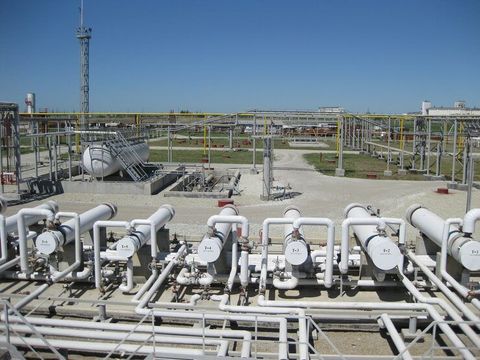
Refinery pump systems are mechanical systems designed to move liquids through the different stages of petroleum refining. They handle fluids such as crude oil, fuels, hydrocarbons, chemicals, cooling liquids, and other process fluids.
A typical system may include a pump, motor or turbine driver, piping, valves, seals, bearings, instruments, and control equipment. Together, these components maintain the required flow and pressure between process units, storage areas, heat exchangers, and other equipment.
Centrifugal pumps are widely used in petroleum and petrochemical applications. API Standard 610 provides technical requirements for centrifugal pumps used in petroleum, petrochemical, and natural gas industries.
| Pump system element | Main purpose |
|---|---|
| Pump | Moves process fluid |
| Driver | Provides mechanical power |
| Mechanical seal | Helps contain process fluid |
| Bearings | Support rotating components |
| Valves | Control and isolate flow |
| Instruments | Monitor pressure, temperature, flow, and vibration |
Why Refinery Pump Systems Matter
Supporting Continuous Processing
Refineries operate interconnected processes, so reliable fluid movement is essential. A pump problem can affect upstream and downstream equipment, making pump reliability an important part of overall plant performance.
Managing Difficult Fluids
Refinery pumps may operate with high temperatures, elevated pressures, corrosive chemicals, hydrocarbons, or fluids containing suspended material. Pump selection therefore depends on factors such as flow rate, pressure, temperature, fluid properties, materials, and operating conditions.
Common pump categories include:
- Centrifugal pumps
- Positive displacement pumps
- Vertical pumps
- Between-bearing pumps
- Overhung pumps
- Sealless centrifugal pumps
Improving Energy Efficiency
Pumping systems can represent a significant part of industrial electricity consumption. Hydraulic efficiency, correct pump sizing, variable-speed operation, efficient motors, and appropriate system control can help reduce unnecessary energy use.
Recent Updates and Industry Trends
Updated Pump Standards
A significant recent development is the publication history surrounding API Standard 610, 13th Edition. API's standards plan lists the 13th edition with a publication date of June 29, 2026. This is relevant because API 610 is one of the major technical references for centrifugal pumps in petroleum and petrochemical applications.
Digital Monitoring
Refineries are increasingly using sensors, industrial analytics, condition monitoring, and digital models to understand equipment performance. These technologies can track vibration, temperature, pressure, flow, and other operating indicators.
In India, a February 2025 initiative involving refinery and industrial software organizations highlighted the growing use of digital twins, advanced analytics, and AI-related technologies in the refining sector.
Energy Performance
Energy efficiency is also receiving greater attention. IndianOil's 2025–26 reporting described improvements in refinery energy intensity and the use of real-time emissions and effluent monitoring systems.
Laws, Standards, and Policies
India
In India, refinery operations are influenced by environmental regulations, energy-efficiency requirements, safety frameworks, and technical standards.
The Perform, Achieve and Trade (PAT) mechanism administered by the Bureau of Energy Efficiency includes petroleum refineries among its designated energy-intensive sectors. PAT focuses on reducing specific energy consumption through defined targets, monitoring, and verification.
BEE's current information also lists PAT Cycle VIII and updated refinery-related notifications, showing that energy-efficiency requirements continue to evolve.
For pump systems, facilities may also consider applicable API standards, environmental requirements, process-safety rules, inspection procedures, and site-specific operating permits.
Tools and Resources
Useful resources for understanding and evaluating refinery pump systems include:
- Pump sizing and hydraulic calculation worksheets
- Flow and pressure calculators
- Pump performance curves
- NPSH calculation tools
- Vibration monitoring instruments
- Thermography equipment
- Energy-efficiency assessment spreadsheets
- Preventive inspection checklists
- Equipment reliability databases
- Technical standards and engineering handbooks
These tools help engineers compare operating conditions against design requirements and identify unusual performance patterns.
FAQs
What is a refinery pump system?
It is a combination of pumps and supporting equipment used to transport petroleum products, hydrocarbons, chemicals, and other process fluids around a refinery.
Which pump type is common in refineries?
Centrifugal pumps are widely used because they can handle continuous liquid flow across many refinery applications. Positive displacement pumps are also used where their operating characteristics are appropriate.
What does API 610 cover?
API 610 establishes requirements for centrifugal pumps used in petroleum, petrochemical, and natural gas industry applications.
Why is pump monitoring important?
Monitoring variables such as vibration, temperature, pressure, flow, and seal condition can help identify abnormal operating conditions before they develop into larger equipment problems.
How can pump energy efficiency be evaluated?
Engineers can compare actual flow, pressure, pump efficiency, motor performance, operating hours, and system demand against the intended operating conditions.
Conclusion
Refinery pump systems are fundamental to the movement of fluids throughout modern petroleum-processing facilities. Their performance affects process continuity, equipment reliability, energy use, and environmental management.
Current developments are moving toward more advanced monitoring, digital analytics, improved energy management, and updated engineering standards. Understanding pump types, hydraulic requirements, operating conditions, and applicable regulations provides a practical foundation for evaluating refinery pumping systems.
Disclaimer: This article is for general educational purposes. Actual refinery pump selection, operation, inspection, and regulatory compliance should be determined by qualified professionals using applicable technical standards, site requirements, and current local regulations.