Refinery Heat Exchangers: Guide To Uses, Design and Energy Efficiency
Understand how refinery heat exchangers transfer heat between process streams, improve energy efficiency, support safer operations, and fit within India's evolving refinery and energy framework.
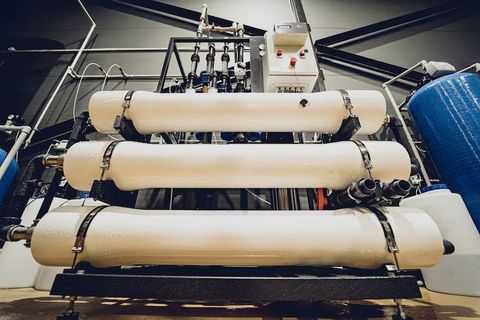
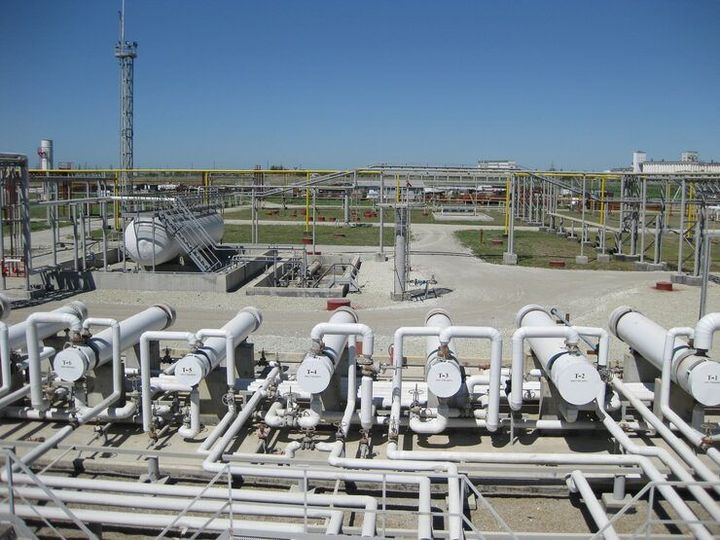
Refinery heat exchangers are equipment used to transfer heat from one process fluid to another without normally mixing the two fluids. They are an important part of petroleum refining because many refinery processes require fluids to be heated, cooled, condensed, or recovered at controlled temperatures.
A typical refinery can contain several types of heat exchangers, including shell-and-tube, air-cooled, plate-and-frame, and condenser systems. Their design depends on factors such as temperature, pressure, fluid characteristics, heat-transfer requirements, and corrosion conditions.
One important application is heat recovery. Hot process streams can transfer part of their thermal energy to colder streams entering another stage of the refinery. This can reduce the amount of external heating required and improve overall industrial energy efficiency.
Importance
Heat exchangers matter because refineries operate with large quantities of thermal energy. Efficient heat transfer can help maintain process temperatures while reducing unnecessary energy losses.
They are commonly associated with equipment such as crude distillation units, vacuum distillation units, hydrotreating units, catalytic processing units, and product cooling systems.
Key benefits include:
- Improved process heat recovery
- Better temperature control
- Reduced thermal losses
- More efficient use of fuel and utilities
- Support for refinery energy management
- Better integration between process units
The condition of a heat exchanger is also important. Fouling, corrosion, vibration, tube damage, and poor flow distribution can reduce heat-transfer performance. Regular monitoring helps identify changes before they significantly affect plant operation.
Recent Updates
India's refining sector continues to operate at a large scale. Petroleum Planning and Analysis Cell data updated in September 2026 lists India's installed refinery capacity at about 267.1 million tonnes per year as of April 1, 2026. This large refining base makes energy efficiency and equipment reliability important considerations across the sector.
Energy efficiency has also received continued regulatory attention. The Bureau of Energy Efficiency updated information on the Perform, Achieve and Trade (PAT) framework during 2026, including PAT Cycle VI notifications and related regulatory information. Refineries are among the energy-intensive sectors covered by the framework.
Another important development is the continued revision of petroleum safety standards. OISD reported revisions to multiple technical safety standards and continued work to align practices with evolving technology and international approaches.
These developments reinforce the importance of efficient thermal systems, inspection practices, process monitoring, and energy management in modern refineries.
Laws or Policies
In India, refinery heat-exchanger operations can be influenced by several energy, environmental, and industrial-safety frameworks.
The Energy Conservation Act and PAT framework are particularly relevant to energy-intensive facilities. Designated consumers can have requirements involving energy monitoring, reporting, energy audits, and specific energy-consumption targets.
Petroleum facilities also operate within safety requirements involving pressure equipment, hydrocarbon handling, fire protection, inspection, and emergency preparedness. OISD standards are important references for the petroleum industry, while certain OISD standards have been incorporated into statutory regulations.
Environmental requirements can also apply to refinery emissions, wastewater, hazardous materials, and pollution-control systems. Exact requirements depend on the facility, location, process configuration, and applicable approvals.
Tools and Resources
Professionals and students can use several general resources to understand refinery heat exchangers:
- Heat-transfer calculators for estimating thermal duty
- Log mean temperature difference calculators
- Heat-exchanger effectiveness calculators
- Process-flow diagrams and equipment datasheets
- Fouling-factor reference tables
- Pressure-drop calculation worksheets
- Thermal-property databases
- Preventive inspection checklists
- Energy-audit templates
- Engineering simulation and process-design software
A basic heat-exchanger calculation commonly considers heat duty, flow rate, specific heat, temperature difference, overall heat-transfer coefficient, and heat-transfer area.
FAQs
What is a refinery heat exchanger?
It is equipment that transfers thermal energy between two process streams. The fluids are generally separated by a metal surface such as tubes or plates.
Why are shell-and-tube heat exchangers common in refineries?
Shell-and-tube designs can handle a broad range of pressures, temperatures, and process fluids. Their construction also allows inspection and maintenance of many internal components.
What causes heat-exchanger performance to decline?
Common causes include fouling, scaling, corrosion, tube damage, vibration, flow restrictions, and changes in operating conditions.
How does heat recovery improve refinery efficiency?
Heat recovery allows thermal energy from a hot process stream to be transferred to a colder stream. This can reduce the additional heating required elsewhere in the process.
Are heat exchangers pressure equipment?
Many refinery heat exchangers operate under significant pressure and therefore require appropriate engineering design, inspection, testing, and compliance with applicable safety requirements.
Conclusion
Refinery heat exchangers are fundamental components of modern petroleum-processing facilities. They help transfer heat, recover thermal energy, control process temperatures, and support efficient operation across multiple refinery units.
As India's refining capacity remains substantial and energy-efficiency requirements continue to evolve, heat-transfer performance and equipment integrity remain important engineering considerations. Understanding exchanger design, fouling, inspection, heat recovery, and regulatory frameworks provides a useful foundation for anyone studying refinery operations.
Disclaimer:
This article is intended for general educational purposes. Equipment design, inspection, operation, and regulatory compliance should be determined by qualified professionals using the applicable engineering standards, plant procedures, and current Indian regulations.