Process Cooling Equipment: Systems, Uses, Trends and Key Insights
Learn how process cooling equipment maintains precise temperatures in industrial operations, why it matters, recent developments, regulations, and practical considerations.
Process cooling equipment refers to systems designed to remove unwanted heat from manufacturing processes, machinery, materials, or production environments. Unlike ordinary comfort cooling, process cooling focuses on maintaining temperatures required for a specific industrial operation.
Manufacturing processes often generate significant heat through friction, chemical reactions, compression, molding, cutting, or other operations. If this heat is not controlled, product quality, equipment performance, and process stability can be affected.
Common process cooling technologies include:
- Industrial chillers
- Cooling towers
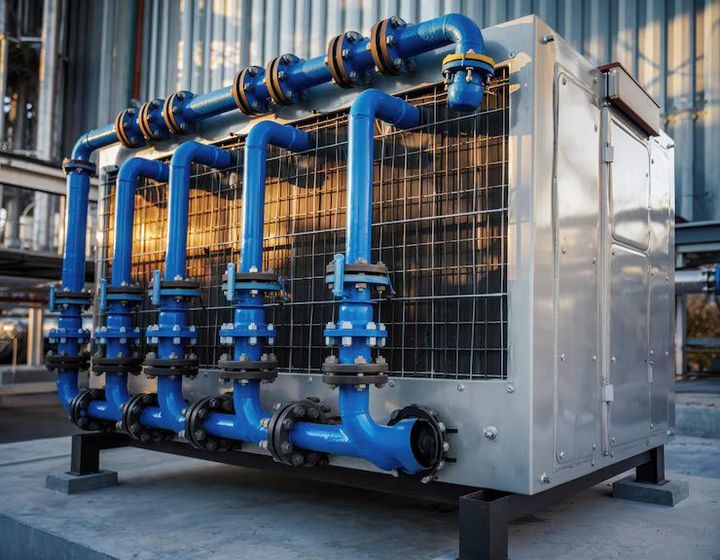
- Air-cooled heat exchangers
- Heat exchangers
- Pumps and circulation systems
- Temperature-control units
- Refrigeration systems
These systems are used across plastics, food processing, chemicals, metals, pharmaceuticals, electronics, semiconductor manufacturing, and data-center operations. The U.S. Department of Energy notes that process cooling can involve chilled water or glycol, cooling towers, air-cooled heat exchangers, and refrigeration equipment.
Why Process Cooling Matters
Modern manufacturing increasingly depends on accurate temperature control. Even relatively small temperature changes can influence dimensions, material properties, chemical reactions, or equipment operating conditions.
Process cooling helps address several common industrial challenges.
Protecting Production Quality
Some materials must remain within specific temperature ranges during processing. Stable cooling can help maintain consistent operating conditions and reduce temperature-related variations.
Supporting Equipment Performance
Motors, compressors, hydraulic systems, laser equipment, and other industrial machinery may generate substantial heat. Controlled cooling helps prevent excessive thermal stress.
Improving Energy Management
Cooling can represent a significant portion of industrial electricity consumption. Variable-speed pumps, efficient compressors, automated controls, heat recovery, and improved heat exchangers can help reduce unnecessary energy use.
Industries That Use Process Cooling
Process cooling is relevant to many sectors, including:
- Plastics and injection molding
- Food and beverage production
- Chemical processing
- Metalworking
- Electronics manufacturing
- Semiconductor production
- Data centers
- Industrial laboratories
Recent Developments and Technology Trends
Process cooling has increasingly focused on energy efficiency, automation, refrigerant selection, and more precise monitoring.
In the United States, refrigerant regulations have been an important development during 2025 and 2026. The Environmental Protection Agency's Technology Transitions program establishes restrictions for certain refrigeration and chiller applications based on refrigerant global warming potential and equipment category. Several industrial process refrigeration requirements have compliance dates beginning January 1, 2026, while other applications have later dates.
In May 2026, EPA finalized changes reconsidering portions of its Technology Transitions requirements. The revisions affected several sectors, including industrial process refrigeration and chillers used in semiconductor manufacturing.
Digital controls are another important trend. Modern systems can use temperature sensors, flow meters, pressure monitoring, variable-speed drives, and automated controls to adjust cooling according to actual process requirements.
Laws and Policies Affecting Process Cooling
Regulatory requirements depend on equipment type, refrigerant, application, location, and system capacity.
In the United States, the American Innovation and Manufacturing Act provides the framework for reducing hydrofluorocarbon use and supporting transitions toward lower-impact refrigerants. EPA's Technology Transitions rules establish sector-specific requirements.
Refrigerant management requirements can also apply to industrial refrigeration equipment. EPA regulations address leak management, refrigerant recovery, reporting, and related practices for qualifying systems. Recent regulatory updates have modified leak-rate thresholds and monitoring requirements for certain refrigeration and air-conditioning equipment.
Energy efficiency is another consideration. The Department of Energy establishes energy conservation standards for certain categories of commercial and industrial equipment under federal energy policy.
Useful Tools and Resources
People evaluating or learning about process cooling can use general technical resources such as:
- Cooling-load calculation worksheets
- Chiller sizing calculators
- Heat-transfer reference tables
- Pump-flow calculators
- Temperature and pressure monitoring dashboards
- Energy-use tracking spreadsheets
- Refrigerant compliance checklists
- Preventive-maintenance templates
- Industrial equipment manuals
- Government energy-efficiency databases
A basic cooling-load calculation generally considers heat generated by equipment, process materials, surrounding conditions, fluid flow, and the required temperature range.
Frequently Asked Questions
What is process cooling equipment?
It is equipment designed to remove heat from an industrial process, machine, material, or controlled environment to maintain a required operating temperature.
What is the difference between process cooling and air conditioning?
Air conditioning primarily focuses on human comfort and indoor environmental conditions. Process cooling focuses on temperature requirements associated with machinery, production processes, materials, or technical equipment.
Which industries use process cooling?
Plastics, chemicals, food processing, electronics, metals, semiconductor manufacturing, laboratories, and data centers are among the industries that use process cooling systems.
Why are refrigerants important in process cooling?
Refrigerants transfer heat within refrigeration-based systems. Their environmental characteristics and regulatory status can affect equipment selection and compliance requirements.
Can process cooling systems reduce energy consumption?
Efficient equipment, proper sizing, variable-speed controls, heat recovery, insulation, and automated monitoring can improve energy performance. Actual results depend on the application and operating conditions.
Conclusion
Process cooling equipment plays an important role in maintaining stable industrial operations. Chillers, cooling towers, heat exchangers, pumps, and refrigeration systems can help control heat and maintain process conditions across many industries.
Recent developments show greater attention to energy efficiency, digital monitoring, and refrigerant regulations. Organizations evaluating cooling requirements should consider temperature ranges, heat loads, fluid characteristics, operating conditions, equipment efficiency, and applicable regulations rather than focusing on a single technology.
Disclaimer: This article provides general educational information and should not be treated as engineering, regulatory, environmental, or compliance advice. Equipment requirements and applicable rules vary by application and jurisdiction.